How to prep for a wind mitigation inspection in Cape Coral — attic access, permits, garage-door ratings, gates, and shutters — so the inspection goes
Preparing for Your Wind Mitigation Inspection.
A wind mitigation inspection is one of the least disruptive inspections your home will ever go through. There’s no plumbing to shut off, no systems to test, and no need to move furniture. The inspector is focused on a specific set of construction features. For most homes the whole thing takes somewhere between 30 and 45 minutes depending on the size of the property and complexity/quantity of discount credits. A little preparation on your end goes a long way toward a smooth wind mitigation inspection in Cape Coral.
Before the Inspection
At some point before your inspection — either at booking or on arrival — you’ll be asked to sign a standard inspection agreement. It’s a routine document laying out what the inspection covers and what it doesn’t. Read it over, ask any questions, and keep a copy for your records.
Beyond that, here are the most important things to have ready:
- Know where your attic access is. The inspector needs to get into the attic to photograph how your roof decking is attached and how the roof structure connects to the walls. Whether it’s pull-down stairs, a hatch in a closet, or a scuttle in the garage ceiling, know where it is and make sure it’s reachable. A very common snag — especially for snowbirds who are out of the area when the inspection happens — is a car parked directly beneath the garage attic access. If a neighbor, property manager, or someone else is letting the inspector in, make sure there’s a way to move any vehicle or golf cart that might be blocking it. Otherwise the inspector may not be able to complete that part of the inspection.
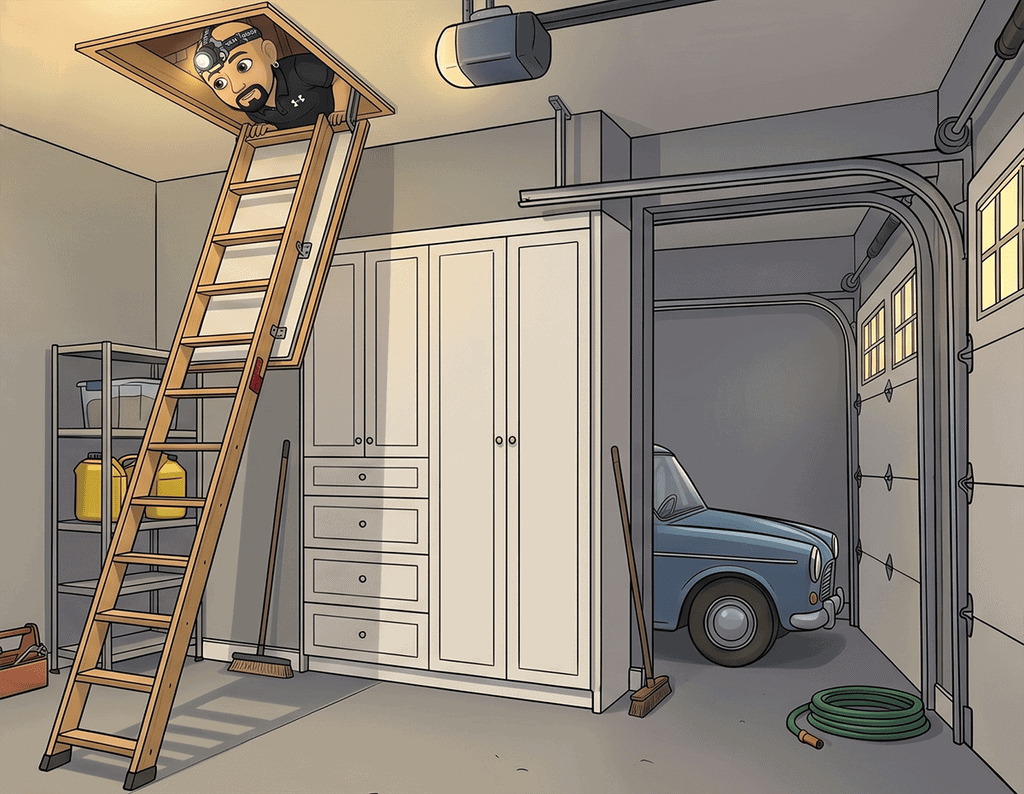
- Have your permits or documentation handy if you have them. If your roof’s been replaced, you’ve added shutters, your windows or doors have been upgraded, or your garage door has been updated, having the related permits or invoices available can help. Public permit portals aren’t always current, and paperwork on hand saves time if records are hard to pull. One common issue with rated garage doors: over time, the wind-load label stating the door’s rating can fall off from age, heat, and humidity. If you know your door is rated and the label is missing, the original invoice is a valid substitute. If you don’t have it, contact the original installer — they most likely have a copy on file.
- Unlock any gates or exterior access points. The inspector needs to walk the perimeter of your home. If you have a fenced yard with a gate, or pool cage or lanai screen doors, make sure they’re unlocked and accessible before the inspector arrives.
- Disable any exterior alarms if applicable. If you have sensors on gates, screen enclosures, or exterior doors, disarm them so the inspector can move around freely without setting anything off.